Public rhetoric favoring collective responsibility over rugged individualism.
NYC INAUGURAL ADDRESS ↗WARNING FILE · MECHANISM BEFORE MARKETING
Collectivism
Public rhetoric favoring collective responsibility over rugged individualism.
Compare the stated principle with programs that transfer decisions from individuals or markets to collective public institutions.
READ THE STANDARD →03
MARXIST / SOCIALIST / COMMUNIST PRECEDENTS
MARXIST / COMMUNIST
Karl Marx & Friedrich Engels · 1848
HISTORICAL MECHANISMThe Communist Manifesto calls for abolition of bourgeois private property and conversion of capital into common property.
WHAT MATCHESThe rhetorical link is the elevation of collective control over individual ownership and choice—the premise Marx and Engels carried into common ownership of productive capital.
WHAT DIFFERSThe quoted use of “collectivism” is rhetoric, not itself legislation abolishing private ownership. A stronger link requires a specific ownership or control mechanism.
COMMUNIST MANIFESTO · CHAPTER II ↗SOVIET COMMUNIST
Union of Soviet Socialist Republics · 1936 Constitution · Articles 4–7
HISTORICAL MECHANISMThe Soviet constitutional order made state and collective ownership the economic foundation and placed major industry, transport, banks, land, and much urban housing in state ownership.
WHAT MATCHESThe ideological link is preference for collective institutions over individual economic control; Soviet law turned that premise into state and collective ownership.
WHAT DIFFERSThe quotation alone does not establish Soviet-scale state ownership, coercion, or one-party rule.
LIBRARY OF CONGRESS · 1936 USSR CONSTITUTION ↗04
CONSTITUTION & BILL OF RIGHTS
PRIVATE PROPERTY & DUE PROCESS
Fifth AmendmentTest whether government compels transfer, occupation, confiscation, or deprivation of property and whether compensation and due process are provided.
NATIONAL ARCHIVES · BILL OF RIGHTS ↗LIMITED, ENUMERATED FEDERAL POWER
Article I and Tenth AmendmentTest the claimed federal power, the Necessary and Proper connection, and powers reserved to the states or the people.
NATIONAL ARCHIVES · U.S. CONSTITUTION ↗05
DEATH RECORDS CONNECTED TO THIS MECHANISM
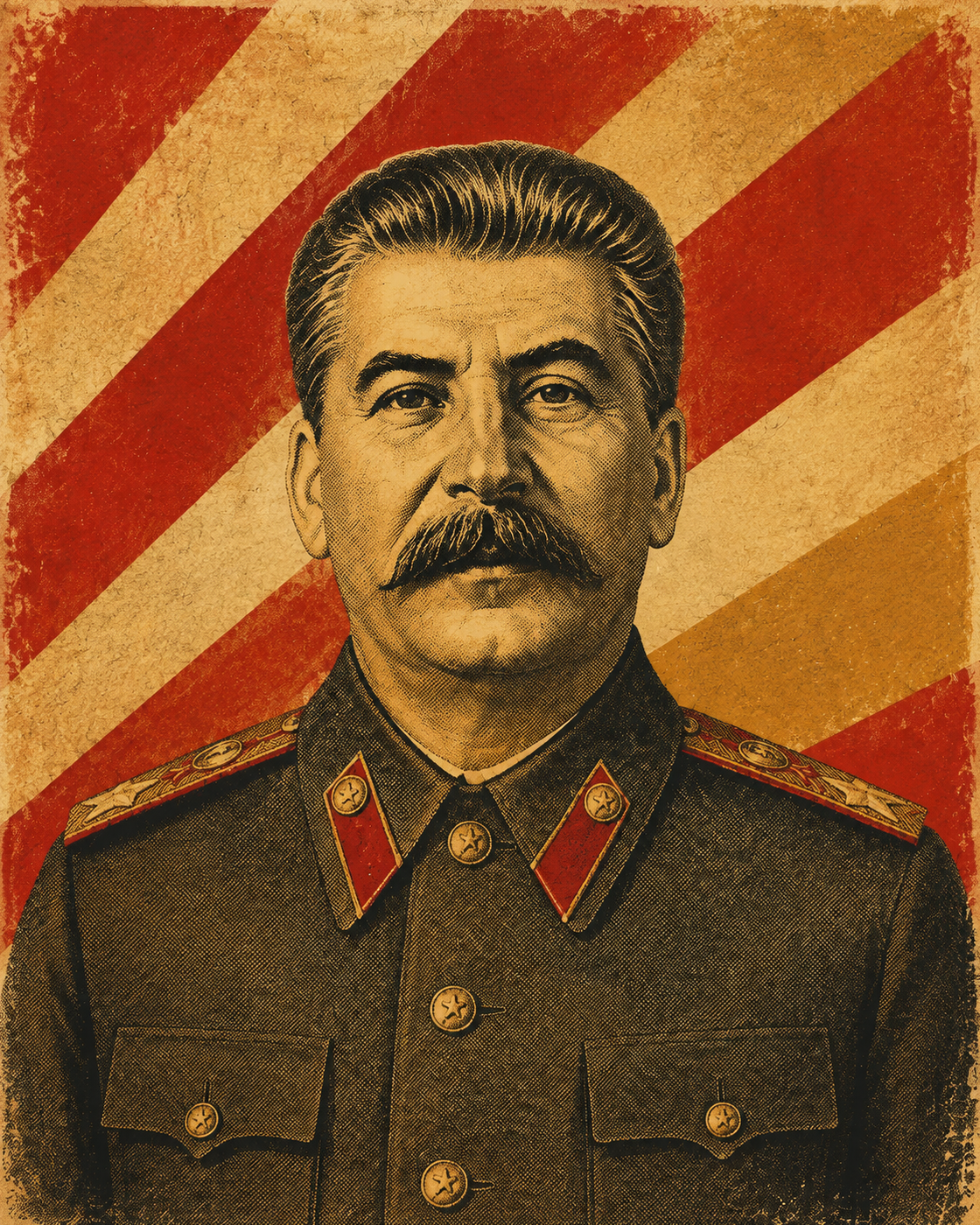
20M DEAD
01MARXIST-LENINIST / COMMUNIST
STALIN'S SOVIET UNION · 1924–1953
Joseph Stalin
ESTIMATED 20 MILLION DEAD1 MARKER = 500,000 DEATHS
WHAT THE REGIME DIDCollectivization, famine, executions, terror, and forced labor
ECONOMIC CONSEQUENCEForced collectivization destroyed private agricultural control, seized grain, deported farming families, and contributed to catastrophic famine while the command economy redirected labor and capital by state order.
WHAT THE NUMBER COVERSHistorian Roy Medvedev's widely cited estimate attributes about 20 million deaths to labor camps, forced collectivization, famine, and executions during Stalin's rule. Other scholarly estimates differ, so the figure is labeled as an estimate.
U.S. CONGRESSIONAL RECORD · MEDVEDEV ESTIMATE ↗ORIGINAL POSTER ART
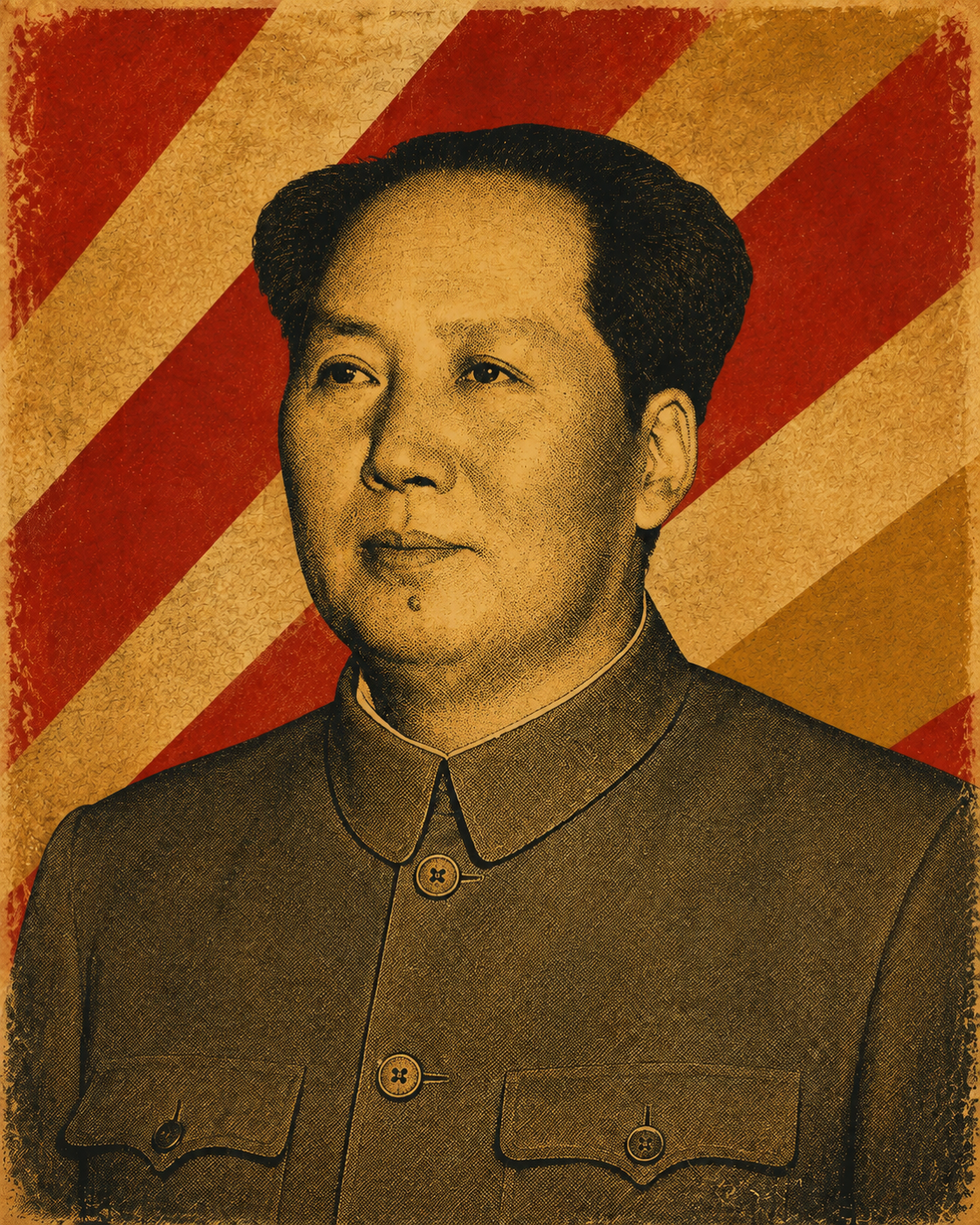
23–30M DEAD
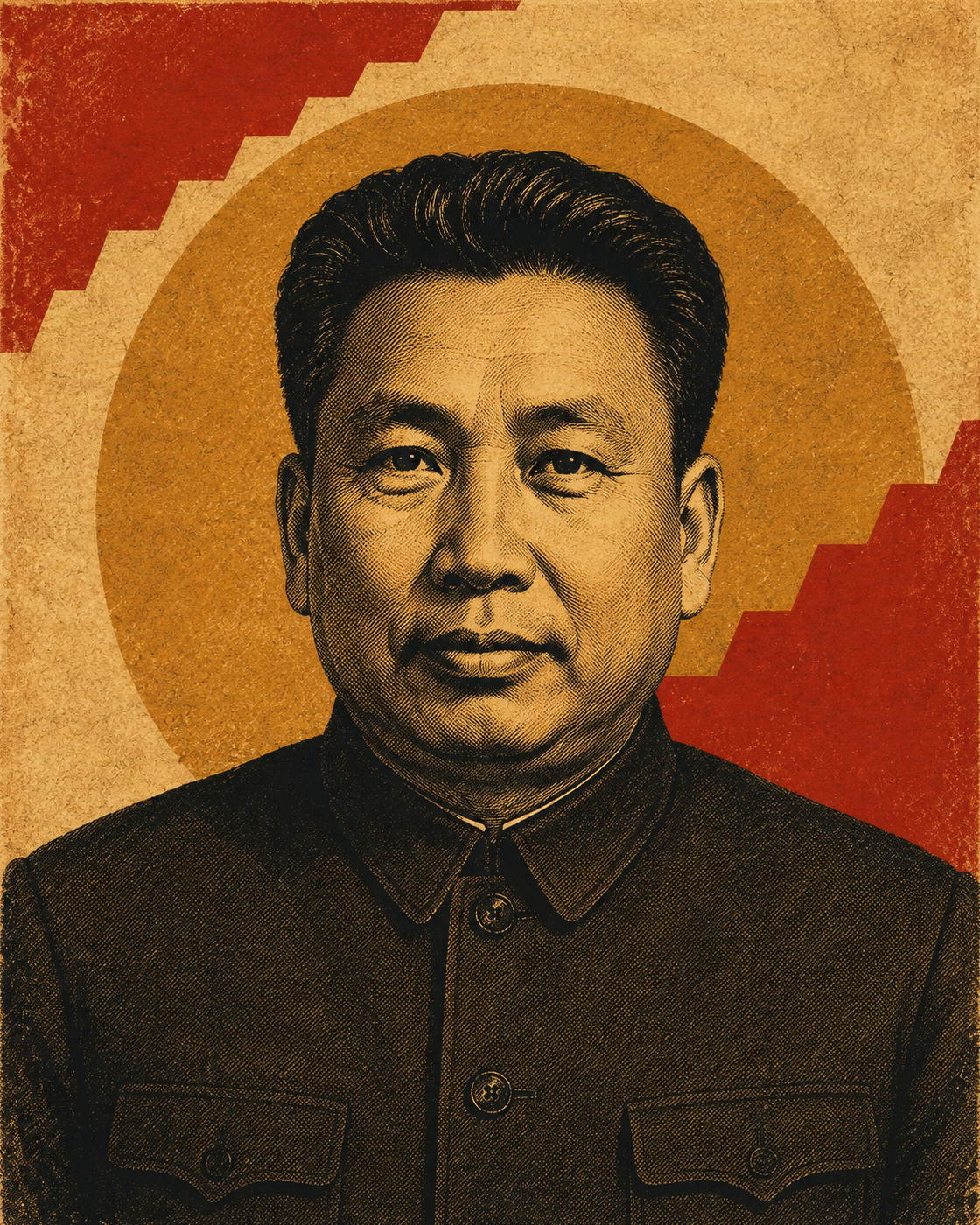
02MARXIST-LENINIST / MAOIST COMMUNIST
MAO'S PEOPLE'S REPUBLIC OF CHINA · 1959–1961
Mao Zedong
23–30 MILLION EXCESS DEATHS1 MARKER = 1 MILLION DEATHSSOLID = LOWER ESTIMATE · OUTLINE = ESTIMATE RANGE
WHAT THE REGIME DIDGreat Leap Forward and the resulting national famine
ECONOMIC CONSEQUENCECompulsory collectivization, unrealistic production targets, grain procurement, and falsified reports disrupted agriculture and concealed starvation on a national scale.
WHAT THE NUMBER COVERSDemographic reconstructions vary. The reviewed medical history traces the largely manmade catastrophe to Mao's Great Leap Forward decision and Chinese Communist Party implementation.
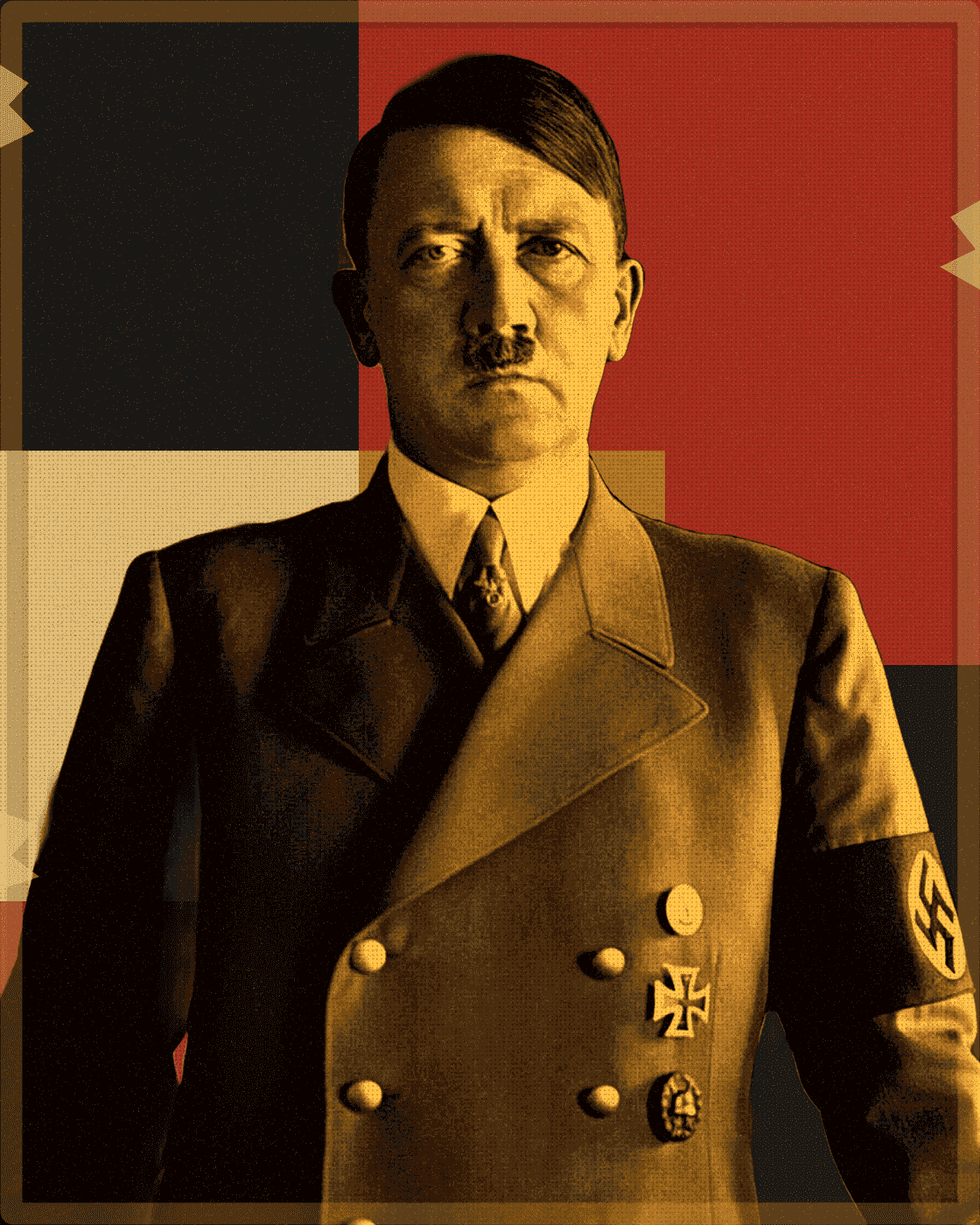
60–80M WWII
03NATIONAL SOCIALIST / FASCIST / RACIAL-NATIONALIST
NAZI GERMANY · 1933–1945
Adolf Hitler
ESTIMATED 60–80 MILLION WWII DEAD WORLDWIDE1 MARKER = 1 MILLION WORLDWIDE WWII DEATHSSOLID = 60M BASE ESTIMATE · OUTLINE = UPPER ESTIMATE RANGE
WHAT THE REGIME DIDAggressive war in Europe, the Holocaust, and state-organized racial, political, and ideological mass murder
ECONOMIC CONSEQUENCEThe dictatorship confiscated property, destroyed independent unions and civil institutions, directed labor and industry toward rearmament and war, and left Germany and much of Europe devastated.
WHAT THE NUMBER COVERSHitler's invasion of Poland began World War II in Europe. Estimates of total worldwide wartime deaths vary widely; this global range includes every theater, belligerent, genocide, famine, and war-related cause, so it is not a count of people personally killed by Hitler or Nazi Germany alone. Within that total, the Nazi regime and its allies murdered six million Jewish people and millions of other victims.
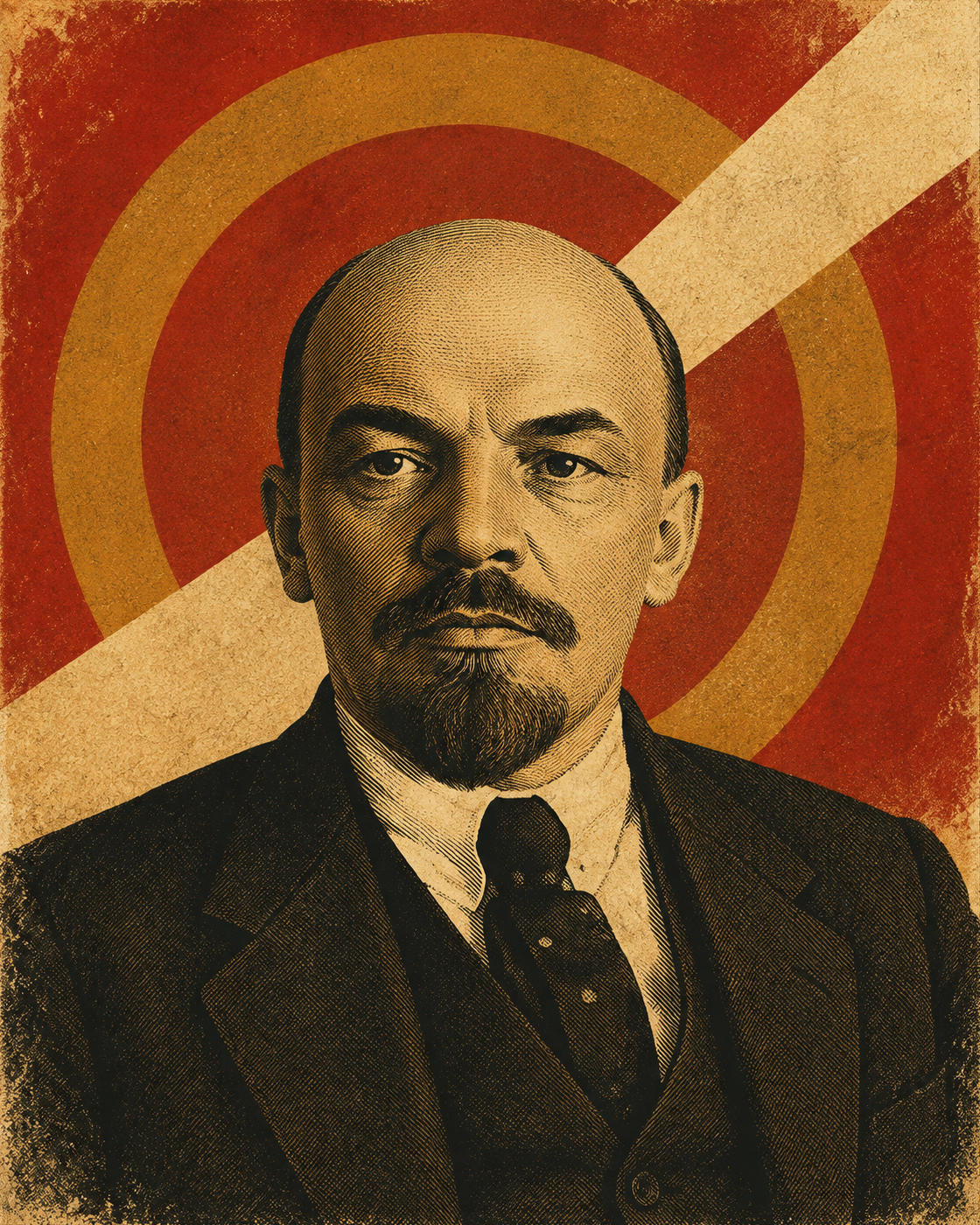
50K–200K DEAD
04MARXIST-LENINIST / COMMUNIST
BOLSHEVIK RUSSIA · 1918–1922
Vladimir Lenin
ESTIMATED 50,000–200,000 RED TERROR DEATHS1 MARKER = 10,000 DEATHSSOLID = LOWER ESTIMATE · OUTLINE = ESTIMATE RANGE
WHAT THE REGIME DIDRed Terror executions, political repression, grain requisition, and coercive War Communism
ECONOMIC CONSEQUENCEWar Communism nationalized production, requisitioned grain, restricted private trade, and intensified economic collapse before Lenin retreated to the New Economic Policy.
WHAT THE NUMBER COVERSSurviving records are incomplete and scholarly estimates vary widely. The displayed range concerns Red Terror killings, not every Civil War or famine death during Lenin's government.
SWEDISH LIVING HISTORY FORUM · RESEARCH REVIEW ↗ORIGINAL POSTER ART
~2M DEAD
05MAOIST / COMMUNIST
KHMER ROUGE CAMBODIA · 1975–1979
Pol Pot
NEARLY 2 MILLION DEAD1 MARKER = 100,000 DEATHS
WHAT THE REGIME DIDForced labor, thought control, mass execution, starvation, and destruction of urban society
ECONOMIC CONSEQUENCEThe regime emptied cities, abolished ordinary markets and money, collectivized labor and food, and attempted to construct an agrarian classless state through coercion.
WHAT THE NUMBER COVERSThe U.S. Holocaust Memorial Museum attributes nearly two million deaths to Khmer Rouge rule and its program of forced labor, thought control, starvation, and execution.
U.S. HOLOCAUST MEMORIAL MUSEUM · CAMBODIA ↗ORIGINAL POSTER ART
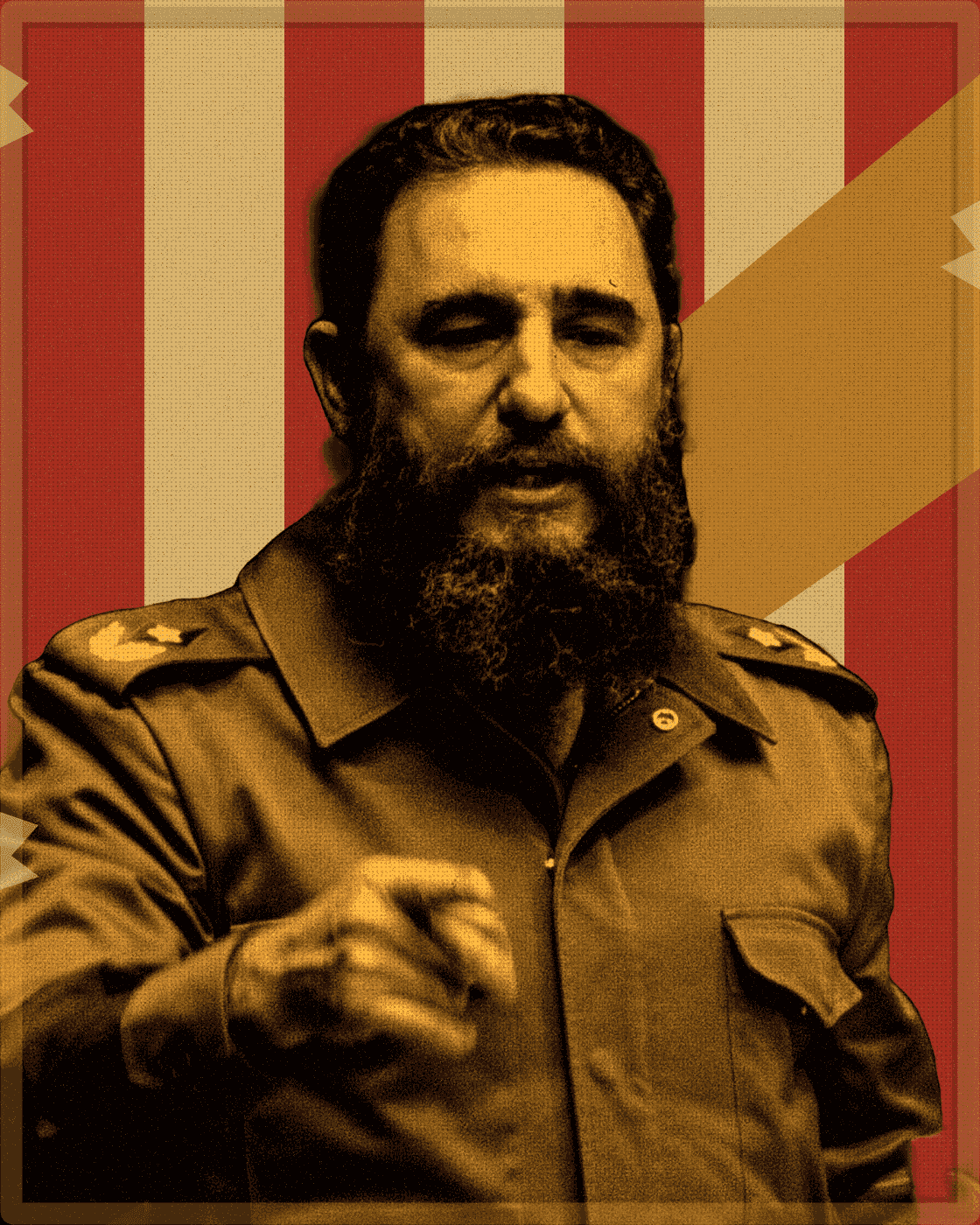
HUNDREDS DEAD
06MARXIST-LENINIST / COMMUNIST
REVOLUTIONARY CUBA · 1959–2008
Fidel Castro
HUNDREDS OF SUMMARY EXECUTIONS DOCUMENTED?NO CONSOLIDATED TOTAL
WHAT THE REGIME DIDSummary executions after revolutionary trials, political imprisonment, and systematic repression of dissent
ECONOMIC CONSEQUENCENationalization, central planning, restrictions on private enterprise, and political control over employment and information produced a state-dominated economy with chronic shortages and limited individual economic choice.
WHAT THE NUMBER COVERSAmnesty International documents hundreds of summary executions following Castro's 1959 takeover while noting the absence of a reliable consolidated total for all deaths attributable to the regime.
AMNESTY INTERNATIONAL · CASTRO HUMAN-RIGHTS LEGACY ↗ORIGINAL POSTER ART
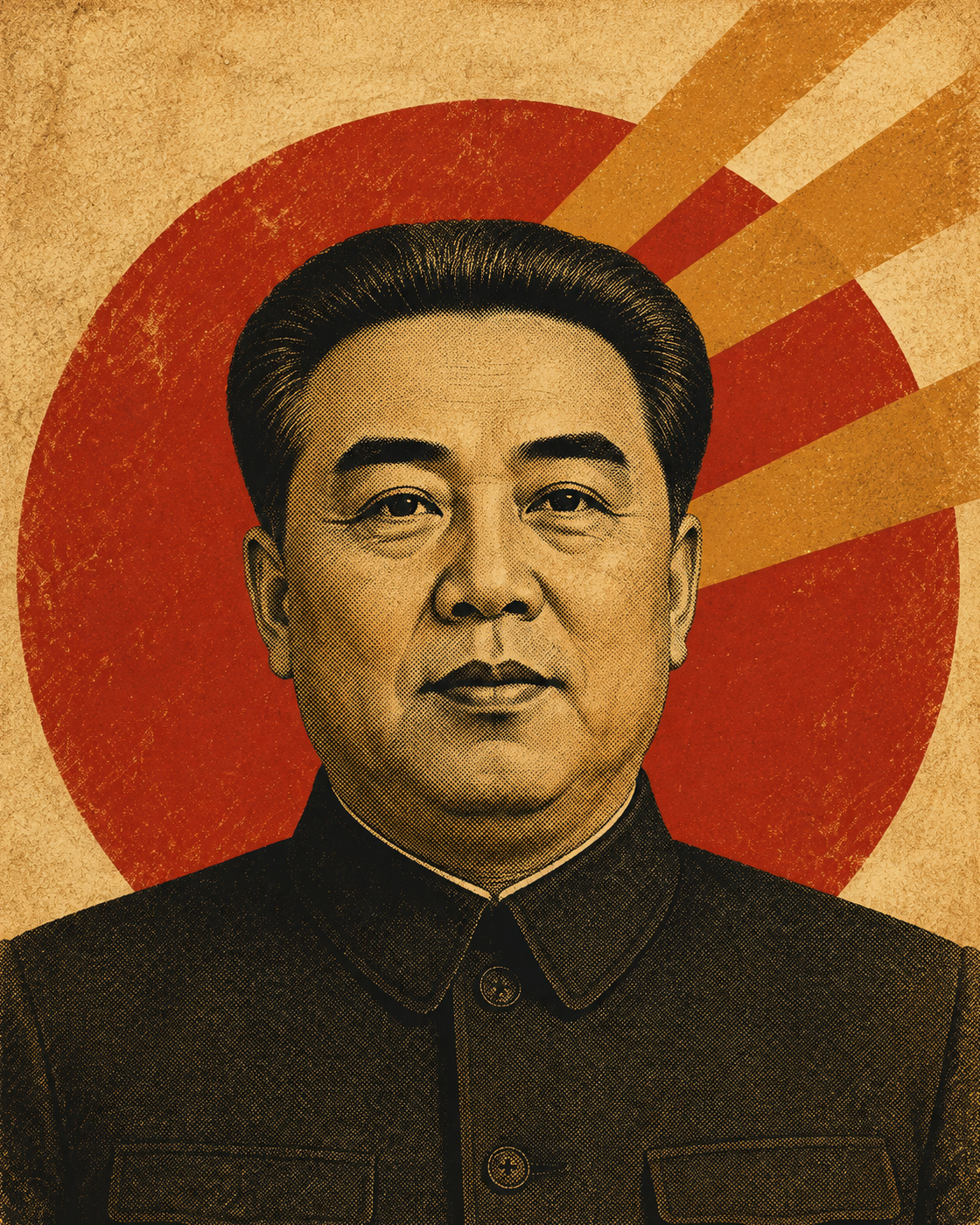
600K–1M DEAD
07JUCHE / COMMUNIST ONE-PARTY STATE
NORTH KOREA · 1948–PRESENT; FAMINE PEAK 1990s
Kim Il Sung / Kim Jong Il / Kim Jong Un
600,000–1 MILLION FAMINE DEATHS1 MARKER = 100,000 DEATHSSOLID = LOWER ESTIMATE · OUTLINE = ESTIMATE RANGE
WHAT THE REGIME DIDPolitical prison camps, state food allocation, repression, and policy-driven starvation
ECONOMIC CONSEQUENCECentral allocation, restrictions on trade and movement, political distribution of food, and military-first priorities deepened scarcity and prevented ordinary market responses.
WHAT THE NUMBER COVERSResearch estimates 600,000 to one million famine deaths. A UN commission found that state decisions violating the right to food were adopted with awareness that they would worsen starvation and related deaths.
AGRICULTURE & FOOD SECURITY / UN DPRK INQUIRY ↗ORIGINAL POSTER ART
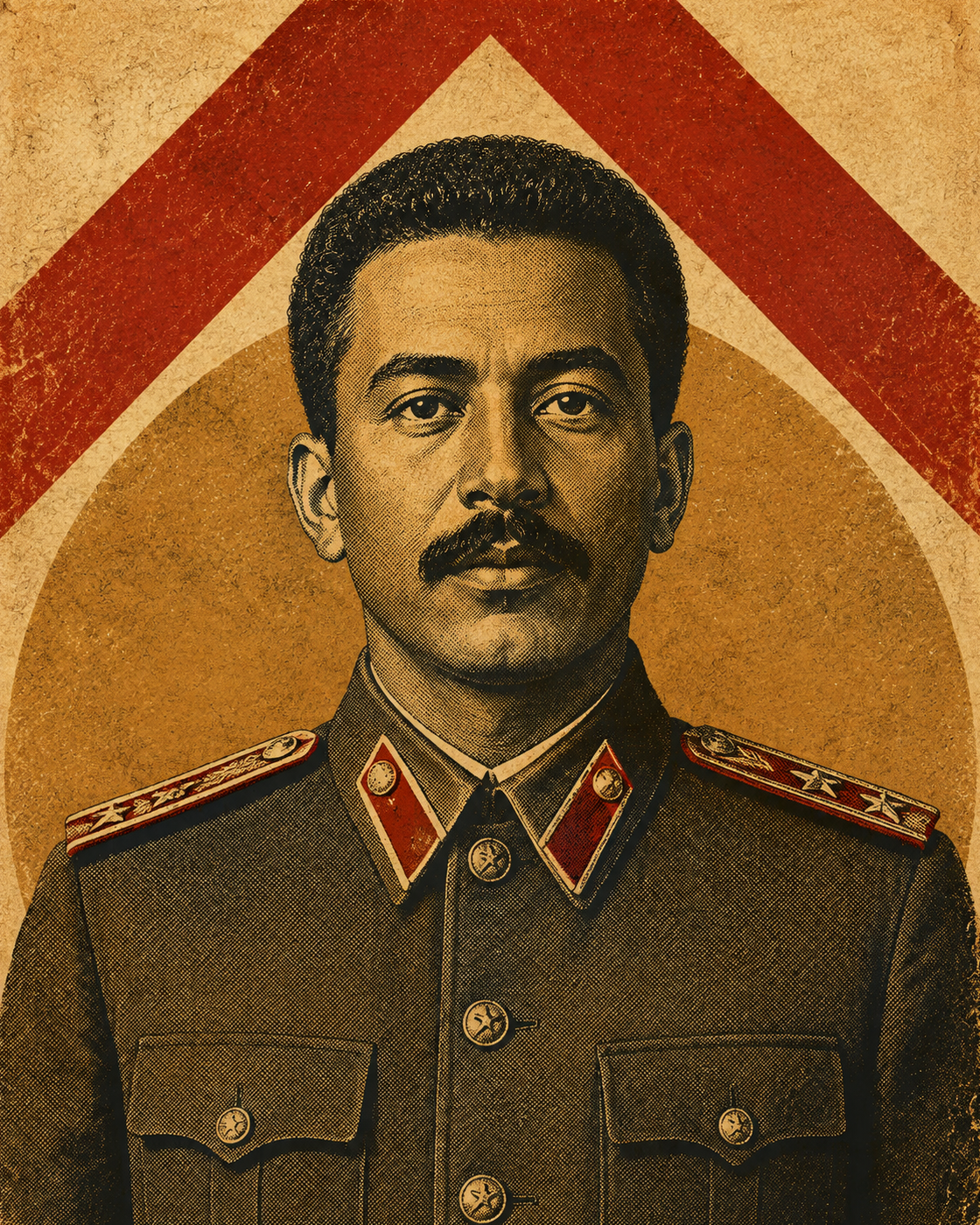
500K+ DEAD
08MARXIST-LENINIST MILITARY REGIME
ETHIOPIA'S DERG · 1974–1991
Mengistu Haile Mariam
AT LEAST 500,000 CIVILIANS DEAD1 MARKER = 100,000 DEATHSMINIMUM DOCUMENTED ATTRIBUTION
WHAT THE REGIME DIDRed Terror, counterinsurgency, forced relocation, attacks on civilians, and use of food as a weapon
ECONOMIC CONSEQUENCENationalization, collectivization, forced resettlement, prolonged war, and manipulation of relief supplies destroyed livelihoods and aggravated famine.
WHAT THE NUMBER COVERSHuman Rights Watch attributes at least half a million civilian deaths to Derg actions, including indiscriminate violence, forced relocation, counterinsurgency, and policies that helped create famine.
HUMAN RIGHTS WATCH · EVIL DAYS ↗ORIGINAL POSTER ART
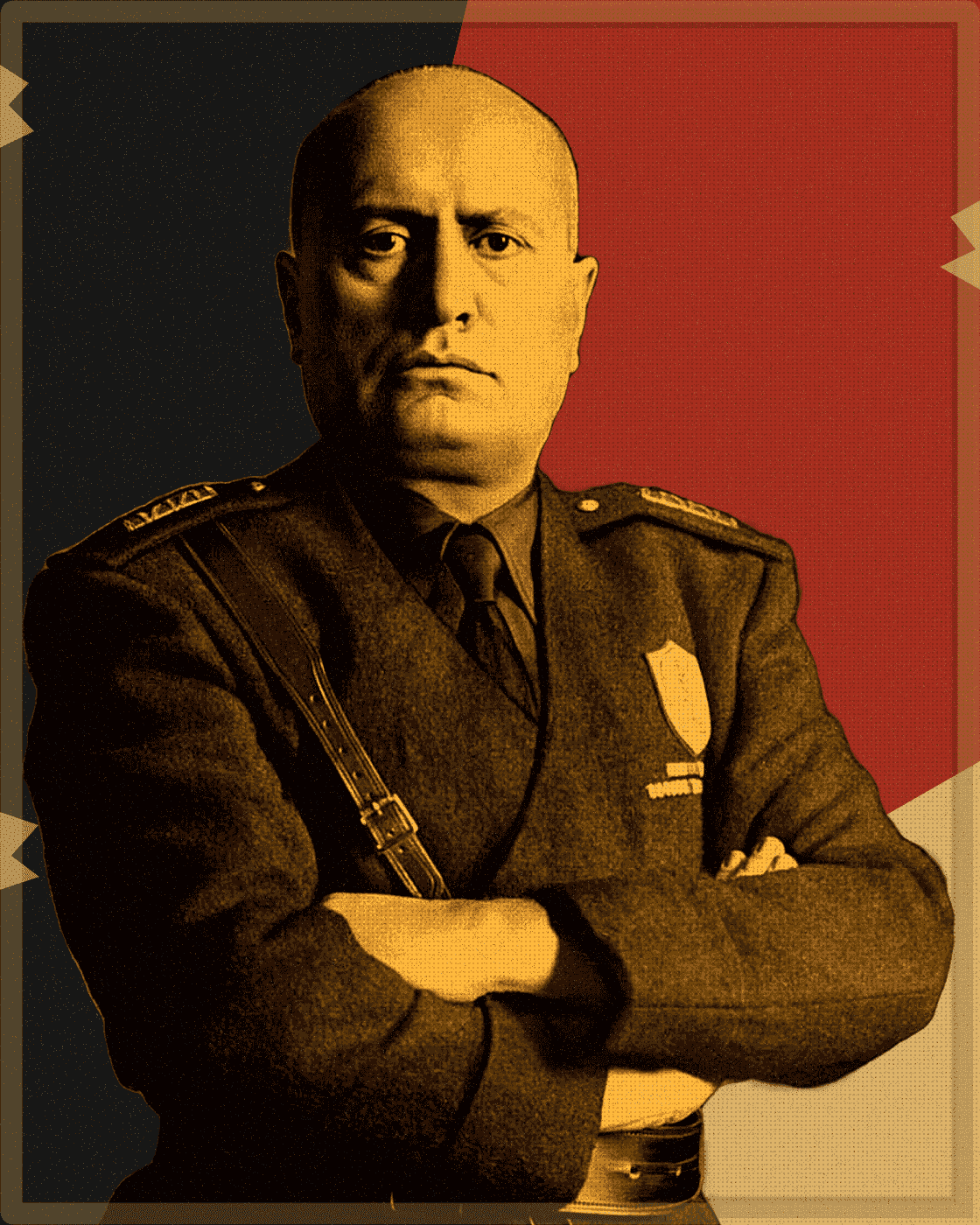
~19.2K DEAD
09FASCIST / CORPORATIST
FASCIST ITALY · 1922–1943; ADDIS ABABA 1937
Benito Mussolini
ABOUT 19,200 IN ONE ADDIS ABABA MASSACRE1 MARKER = 1,000 DEATHSROUNDED VISUALIZATION OF THE HISTORIAN'S ESTIMATE
WHAT THE REGIME DIDImperial invasion, chemical warfare, colonial repression, and the Addis Ababa massacre
ECONOMIC CONSEQUENCEThe corporate state subordinated independent labor and business to national goals, pursued costly autarky and militarization, and spent national resources on imperial conquest.
WHAT THE NUMBER COVERSOxford historian Ian Campbell estimates that Fascist repression squads killed roughly 19,200 people—about one fifth of Addis Ababa—in three days. This graphic covers that episode, not every death caused by Fascist Italy.
OXFORD UNIVERSITY PRESS · THE ADDIS ABABA MASSACRE ↗ORIGINAL POSTER ART
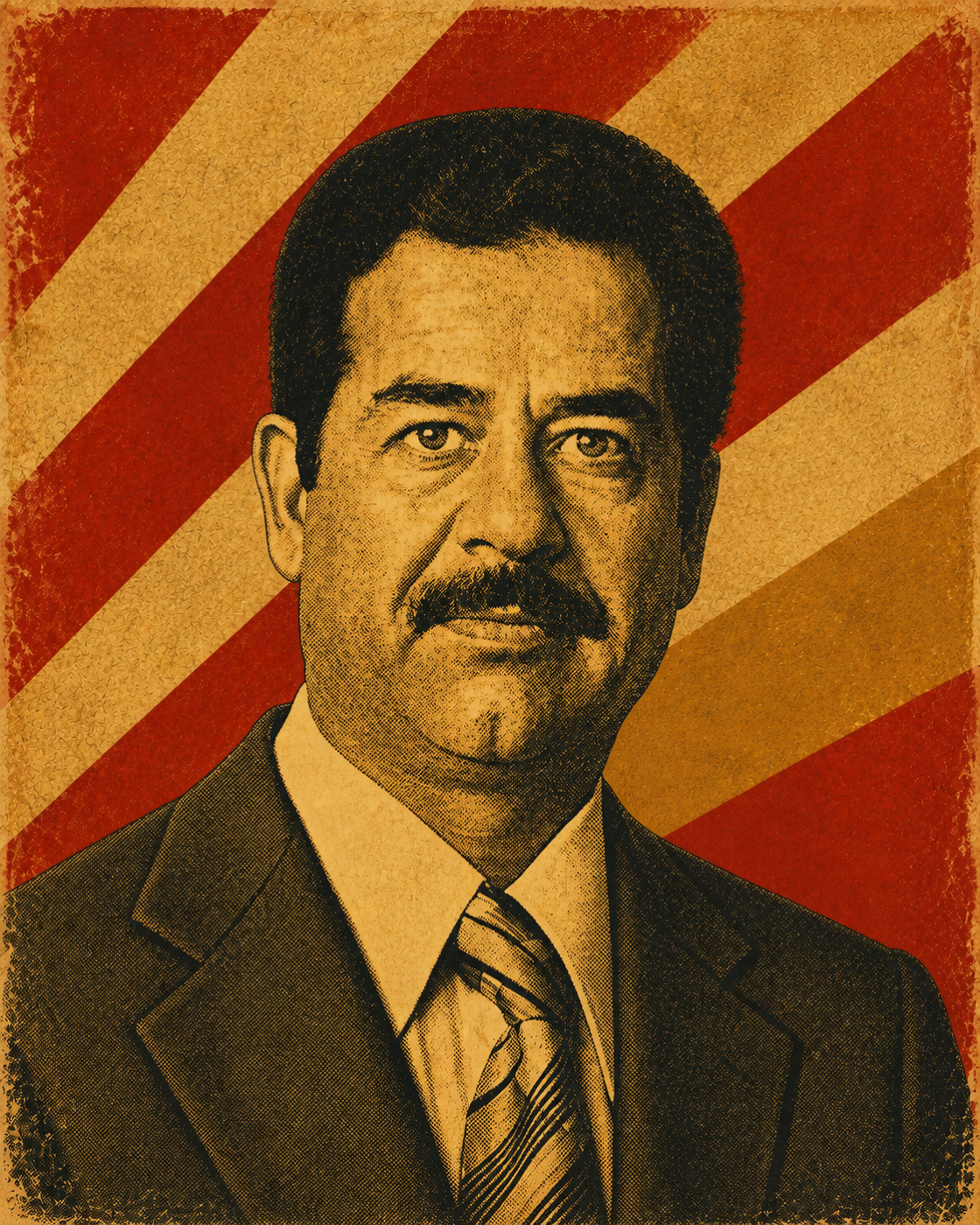
100K+ DEAD
10AUTHORITARIAN ARAB NATIONALIST / BA'ATHIST SOCIALIST
BA'ATHIST IRAQ · 1979–2003; ANFAL 1987–1988
Saddam Hussein
MORE THAN 100,000 KURDS KILLED IN ANFAL1 MARKER = 10,000 DEATHSMINIMUM FIGURE FOR THE ANFAL CAMPAIGN
WHAT THE REGIME DIDAnfal genocide, disappearances, chemical attacks, prison killings, and political terror
ECONOMIC CONSEQUENCECentralized oil power, militarization, patronage, war, sanctions, and destruction of civilian communities consumed national wealth and displaced hundreds of thousands.
WHAT THE NUMBER COVERSHuman Rights Watch states that more than 100,000 Iraqi Kurds were killed in the Anfal campaign and documents Saddam Hussein's personal supervisory role.
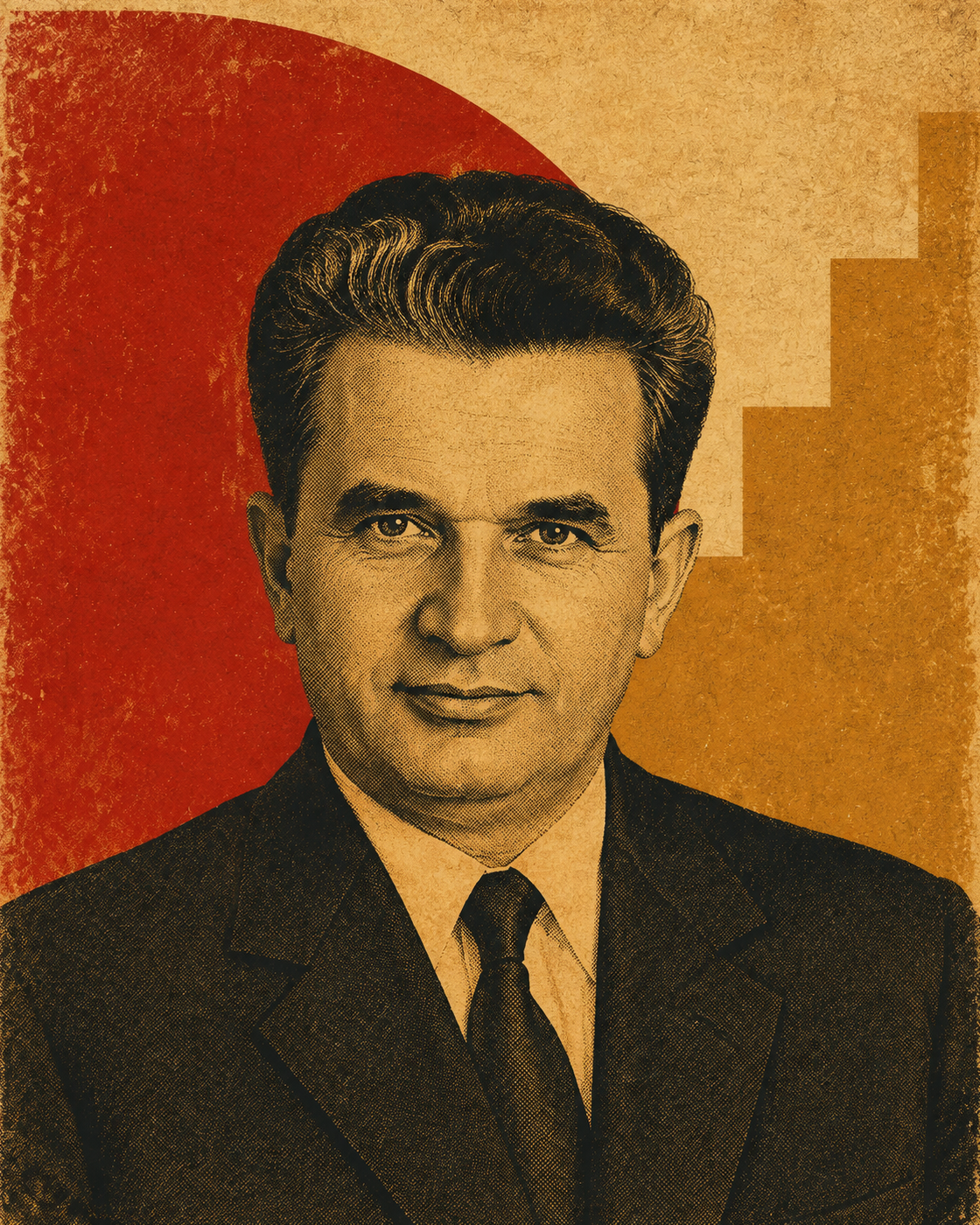
9,542 DEAD
11MARXIST-LENINIST / COMMUNIST
COMMUNIST ROMANIA · 1966–1989
Nicolae Ceaușescu
9,542 MATERNAL DEATHS REPORTED1 MARKER = 1,000 DEATHSROUNDED VISUALIZATION OF 9,542 REPORTED DEATHS
WHAT THE REGIME DIDDecree 770: abortion and contraception restrictions enforced through intrusive state population policy
ECONOMIC CONSEQUENCEThe state used surveillance, workplace penalties, and medical controls to pursue population targets while austerity and central planning produced severe shortages.
WHAT THE NUMBER COVERSA peer-reviewed medical review reports 9,542 maternal deaths from illegal abortions or birth-related complications during the period of Ceaușescu's coercive pronatalist decree.
PUBMED CENTRAL · ROMANIA DECREE 770 REVIEW ↗ORIGINAL POSTER ART
LINKED CURRENT FIGURES
Zohran Mamdani Mayor of New York City →